
Ledger Exchange Review 2025: Is Ledger Still the Benchmark for Crypto Security?
In 2025, crypto investors face an ecosystem filled with opportunities but also mounting risks. From exchange hacks to phishing scams, the weakest link often lies in how users store and manage their assets. This is where Ledger exchange review discussions have gained traction. Ledger, long known for its hardware wallets, is now being evaluated not just for personal storage but also for its role in bridging exchanges with safer custody. For anyone trading or holding digital assets, understanding Ledger’s strengths and weaknesses has never been more crucial.
Key Takeaways
- Ledger remains one of the most recognized names in crypto security.
- The platform integrates with exchanges, offering both convenience and cold storage protection.
- Its pricing is higher than some competitors, but security features justify the premium.
- Ledger is ideal for long-term holders but less suited for traders who demand advanced analytics.
Ledger Exchange Review: Background and Evolution
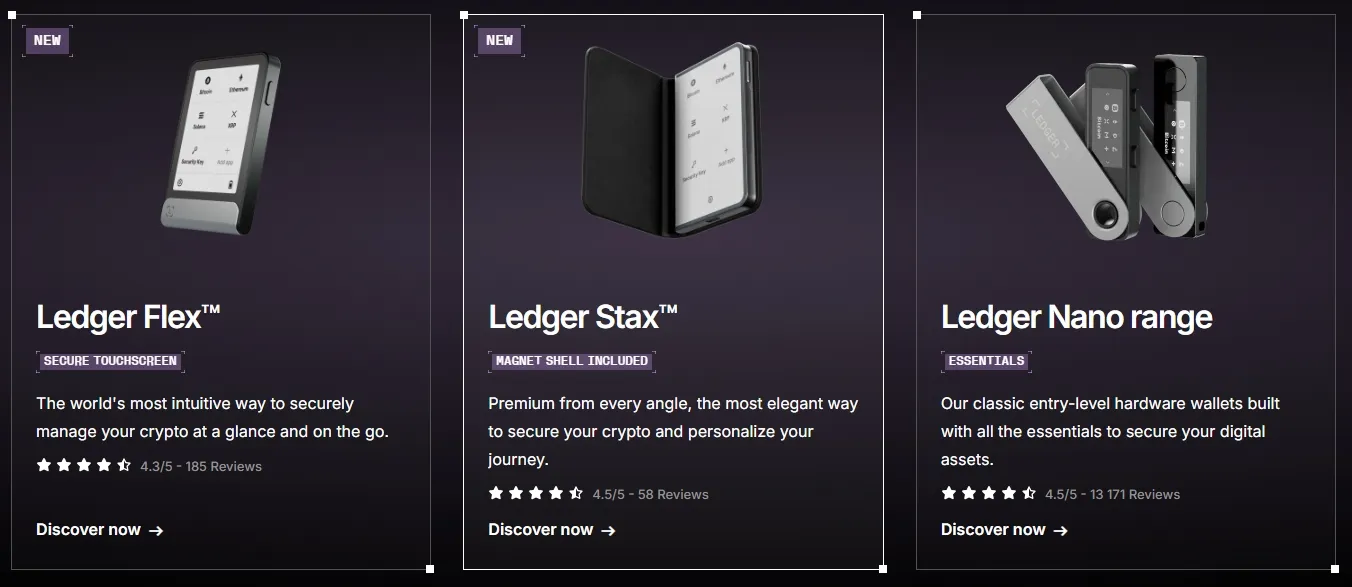
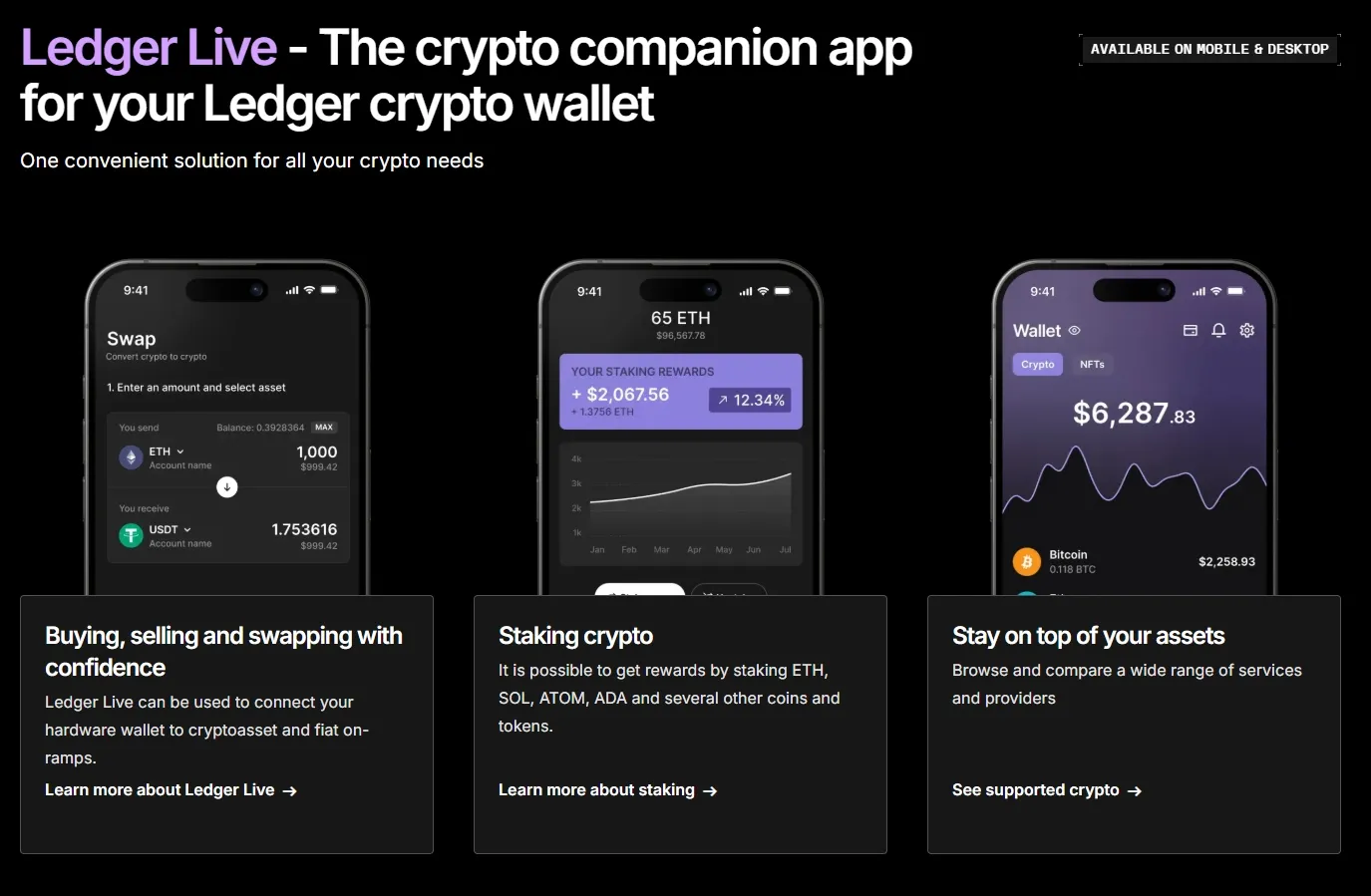
Ledger started as a hardware wallet manufacturer, releasing its flagship devices, Ledger Nano S and Ledger Nano X. Over the years, it expanded into offering Ledger Live, a management software that connects with multiple exchanges. This integration allows users to trade without compromising private keys.
By 2025, Ledger’s ecosystem has grown to include recovery keys, DeFi access, NFT storage, and seamless compatibility with mobile devices. While it is not a traditional exchange like Binance or Coinbase, its exchange integration gives users the best of both worlds—market access with hardware-level protection.
Pricing and Market Positioning
When it comes to pricing, Ledger products are not the cheapest in the market. Devices range from USD 79 for Nano S Plus to USD 149 for Nano X. Unlike purely software-based wallets, this upfront cost positions Ledger as a premium solution.
However, for investors managing large crypto portfolios, the cost is relatively minor compared to the potential loss from a hack. Ledger positions itself as a security-first exchange partner rather than a low-cost trading hub.
Ledger Exchange Review: Key Features
- Hardware wallet integration: Private keys remain offline, even while trading.
- Ledger Live platform: Supports portfolio tracking, staking, and direct exchange connections.
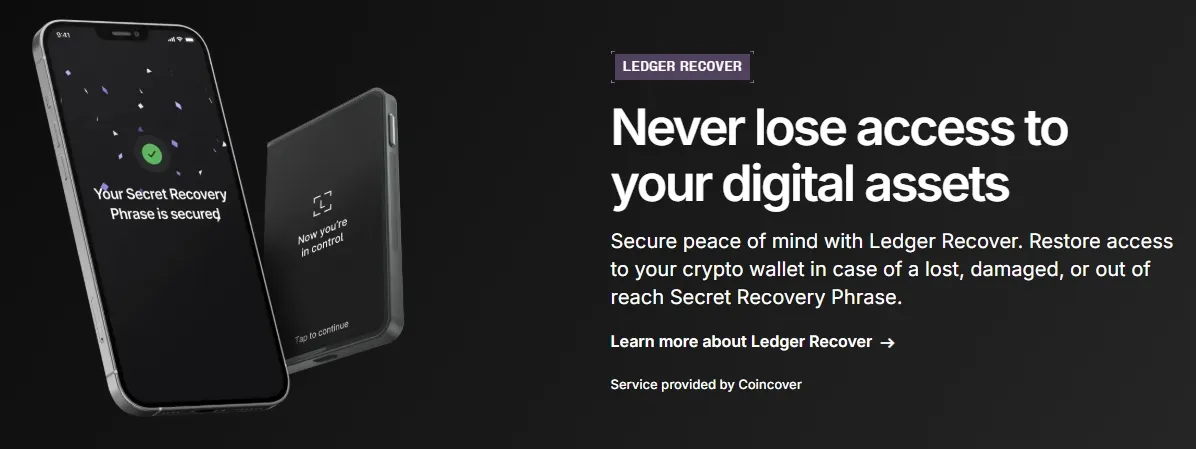
- Recovery Key: Offers a secure backup mechanism for restoring accounts.
- NFT support: Users can view and store NFTs directly.
- Multi-chain compatibility: Supports Bitcoin, Ethereum, and thousands of altcoins.
Here’s a quick comparison of Ledger’s features with competing solutions:
| Feature | Ledger | Traditional Exchanges | Software Wallets |
|---|---|---|---|
| Private Key Security | Offline (Hardware) | Online (Custodial) | Online (Hot Wallet) |
| Exchange Access | Integrated via Ledger Live | Direct Trading | Limited |
| NFT Support | Yes | Some exchanges only | Yes |
| Backup & Recovery | Recovery Key | Exchange-controlled | Seed Phrase |
| Price | USD 79–149 | Free | Free |
Pros and Cons of Ledger
Pros:
- Industry-leading security with offline storage
- Wide crypto and NFT support
- Integration with major exchanges
- User-friendly Ledger Live interface
Cons:
- Higher upfront cost compared to software wallets
- Limited analytics for advanced traders
- Requires physical device access for some transactions
Step-by-Step Guide: Using Ledger with an Exchange
- First, purchase and set up your Ledger device (Nano S Plus or Nano X) to establish a secure foundation.
- Next, download Ledger Live and install the necessary apps for the coins you plan to manage.
- After that, connect Ledger Live with a supported exchange partner so you can trade without giving up custody.
- Then, fund your wallet by transferring assets from the exchange into your Ledger-secured account.
- Finally, authorize each transaction directly on your Ledger device, ensuring maximum protection before completion.
Security and Risk Analysis
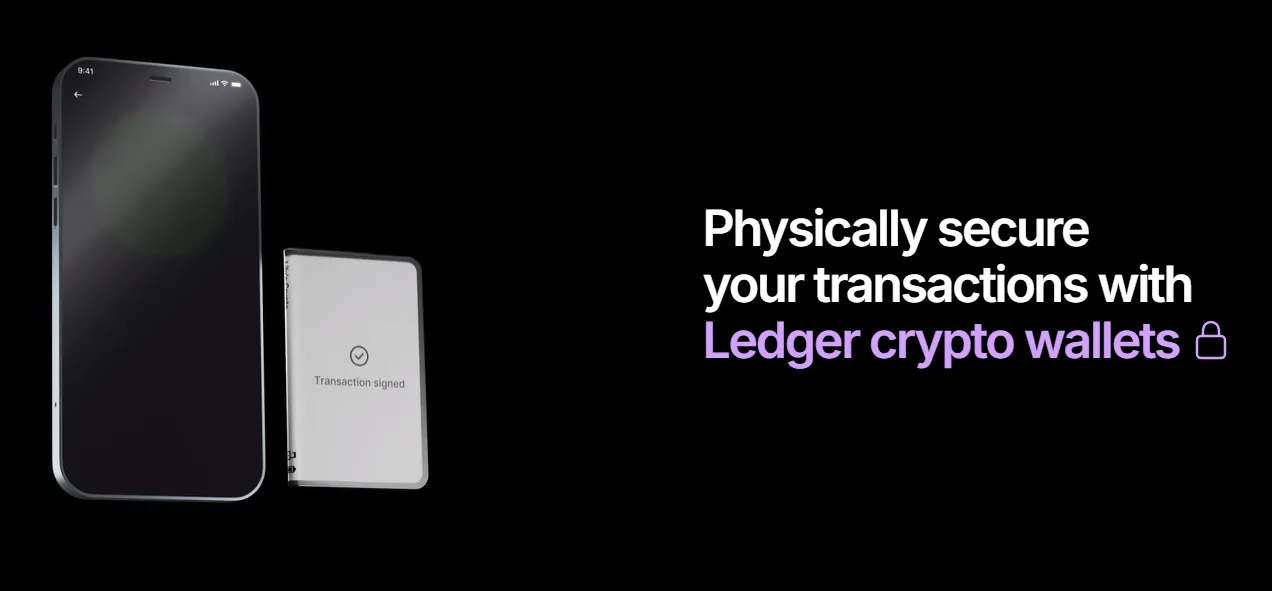
Security is Ledger’s strongest selling point. Private keys never leave the hardware device, even when connected to exchanges. Transactions must be confirmed physically, minimizing phishing risks.
That said, no solution is completely risk-free. Users must protect recovery phrases and avoid phishing attempts. Ledger’s past data leak in 2020 also reminds us that while hardware is secure, user information can still be vulnerable to breaches.
Who Should (and Shouldn’t) Use Ledger
Ledger is well-suited for:
- Long-term holders securing large crypto portfolios
- NFT collectors seeking integrated storage
- DeFi users who want access without compromising keys
Ledger may not be ideal for:
- Day traders who need instant, high-frequency exchange features
- Beginners unwilling to spend on hardware
- Users uncomfortable managing recovery keys
Alternatives to Ledger
Competitors include Trezor, SafePal, and custodial exchanges like Coinbase. Trezor offers a similar hardware-first approach but with a different user interface. SafePal is a more budget-friendly option, while Coinbase appeals to users prioritizing convenience over self-custody.
Moreover, Ledger’s edge lies in balancing hardware-level protection with seamless exchange access. As a result, it creates a middle ground between convenience and security. In comparison, most alternatives struggle to deliver this balance effectively.
Conclusion: Is Ledger Still Worth It in 2025?
After this comprehensive Ledger exchange review, it’s clear Ledger continues to set the benchmark for crypto security in 2025. While its higher cost and lack of advanced trading tools may deter some, the balance of exchange access with hardware-level protection makes it one of the most trusted names in the market.
Ultimately, for investors serious about safeguarding their digital wealth, Ledger remains less of an expense and more of an insurance policy. Therefore, choosing Ledger is not just about buying a device but about securing long-term confidence in the volatile crypto market.